

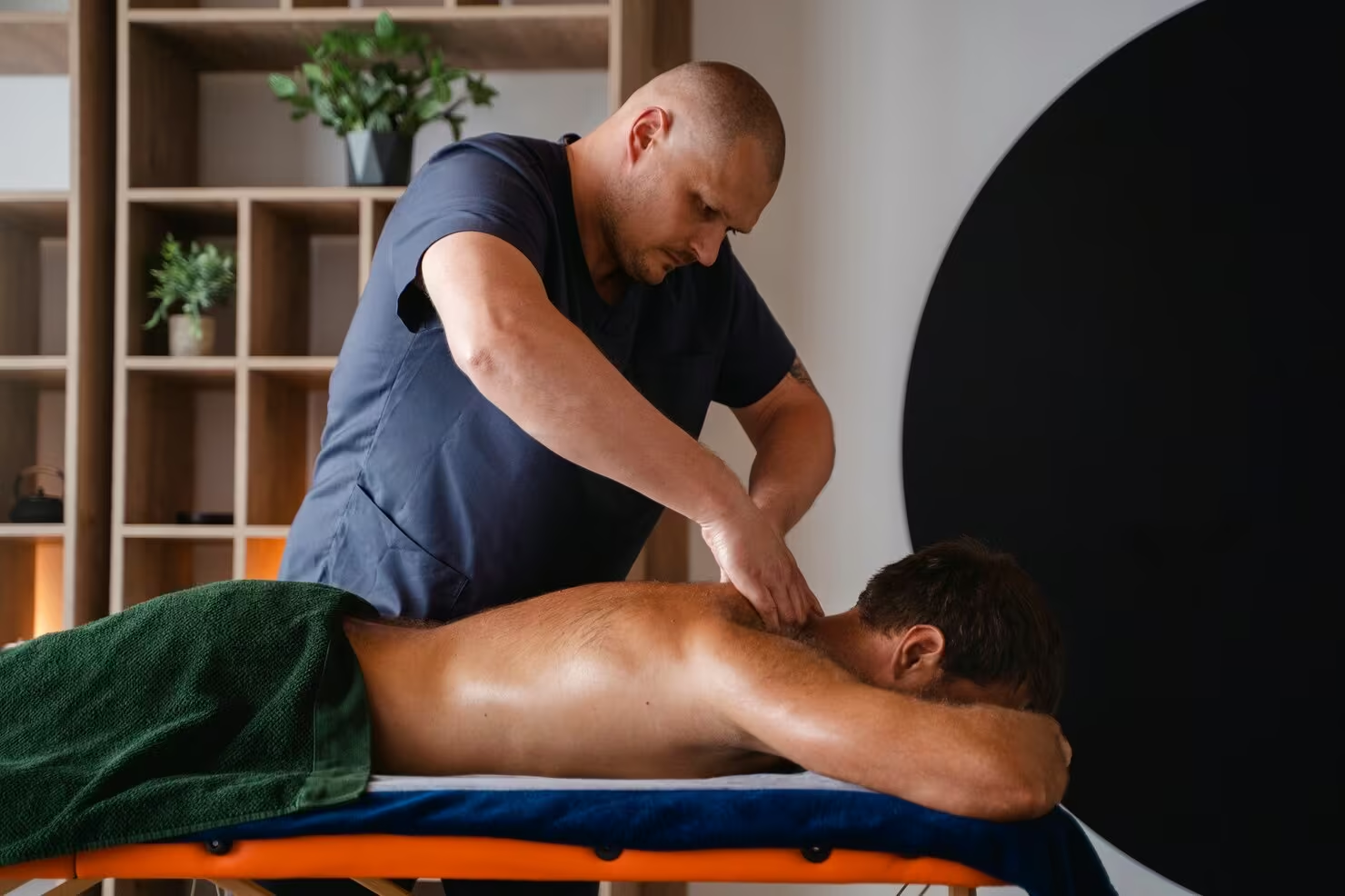
Massage therapy can be part of a pain management plan when muscle tension, stiffness, or soft tissue problems contribute to discomfort. It uses hands-on techniques to work with muscles and other soft tissues, with the goal of reducing tension, improving mobility, and making movement more comfortable.
There is no single type of massage that works for every kind of pain. The appropriate technique depends on the source of the discomfort, the areas being treated, symptom severity, and individual treatment goals.
What are the Benefits of Massage Therapy for Pain?
Massage therapy may be helpful when muscle tension or soft tissue restrictions contribute to pain and limited movement. Depending on the techniques used and the underlying cause of the discomfort, massage may help:
- Reduce muscle tension and soreness.
- Relieve stiffness.
- Improve flexibility and range of motion.
- Support comfortable movement.
- Promote relaxation when stress contributes to muscle tension.
- Support recovery as part of a broader treatment plan.
Massage is generally considered a non-invasive approach and may be used on its own or alongside other forms of care. For some people, it may complement physical therapy or other conservative treatments.
For more information, see Conditions Massage Therapy Can Help Treat.
What Types of Massage Can Help With Pain?
Different massage techniques use different levels of pressure and target different tissues or treatment goals. Common approaches include:
1. Deep Tissue Massage
Deep tissue massage uses slower strokes and more focused pressure to address deeper layers of muscle and connective tissue. It may be considered when persistent muscle tightness contributes to discomfort.
More pressure is not necessarily better, however. The intensity should be appropriate for the individual’s condition and tolerance.
2. Trigger Point Massage
Trigger point techniques use focused pressure on areas of tight muscle that may contribute to localized or referred pain. This approach may be considered when a particular muscle or group of muscles appears to be contributing to symptoms.
3. Myofascial Techniques
Myofascial techniques focus on the fascia, the connective tissue surrounding muscles and other structures. They may be used to address areas of tension or restricted soft tissue movement and are often incorporated into a broader treatment approach.
4. Therapeutic Massage
Therapeutic massage is a general term for massage performed with a specific physical concern or treatment goal in mind. Techniques, pressure, and treatment areas can be adjusted based on symptoms and how the individual responds to treatment.
5. Swedish Massage
Swedish massage generally uses lighter to moderate pressure along with techniques such as long strokes and kneading. It is commonly associated with relaxation and may also be useful when general muscle tension contributes to discomfort.
Which Type of Massage Is Best for Pain?
There is no single massage technique that is best for every type of pain. The appropriate approach depends on what is causing the symptoms, where the discomfort occurs, and how the body responds to treatment.
| Concern | Approach That May Be Considered |
| General muscle tension | Swedish or therapeutic massage |
| Persistent muscle tightness | Deep tissue or therapeutic massage |
| Localized muscle tension | Trigger point techniques |
| Restricted soft tissue movement | Myofascial techniques |
| Exercise-related muscle soreness | Therapeutic or sports-focused massage |
| Neck and shoulder tension | Targeted therapeutic or trigger point techniques |
This table is a general guide, not a diagnosis or individual treatment recommendation. For example, massage may help address the muscular component of discomfort associated with sciatica, but nerve-related symptoms may require a broader evaluation.
Related Read: How to Relieve Sciatica Pain
What Can You Expect During a Massage for Pain Relief?
A pain-focused massage typically begins with a discussion about symptoms and treatment goals rather than immediately starting treatment.
1. Discuss Your Symptoms
The therapist may ask where the pain occurs, how long it has been present, what activities affect it, and whether anything makes it better or worse. Relevant injuries, health conditions, sensitive areas, and other concerns should also be discussed.
2. Determine the Treatment Approach
Based on the information provided, the therapist can determine which areas and techniques may be appropriate. Pressure and technique can be adjusted during the session based on comfort and response.
3. Receive the Massage
The therapist uses the selected techniques to work on the targeted soft tissues. Effective treatment does not need to cause significant pain. Any discomfort during treatment should be communicated so the approach can be adjusted when appropriate.
4. Discuss Aftercare
Depending on the treatment and individual circumstances, the therapist may recommend activity modifications, stretching, hydration, or other self-care measures. Further treatment may also be discussed if massage is part of a broader pain management plan.
When Should You Be Evaluated Before Getting a Massage?
Massage is not appropriate for every type of pain. An evaluation may be more appropriate before massage if pain follows a significant injury, is unexplained, continues to worsen, or is accompanied by concerning symptoms.
Seek professional evaluation if pain is accompanied by:
- Significant weakness.
- Numbness or changes in sensation.
- Loss of function.
- Severe or rapidly worsening symptoms.
- Other unusual or concerning changes.
Certain injuries and medical conditions may also require modifications to massage or make treatment inappropriate until the underlying issue has been assessed.
The goal is to understand why the pain is occurring before deciding how to treat it.
Can Massage Therapy Be Part of a Broader Pain Management Plan?
Yes. Massage therapy may be used alongside other conservative approaches when appropriate. Depending on the underlying condition, a treatment plan may include physical therapy, exercise, stretching, chiropractic care, or other forms of care.
This can be useful when pain has more than one contributing factor. For example, persistent back discomfort may involve muscle tension as well as limitations in mobility, strength, or movement. Addressing those factors together may be more appropriate than relying on massage alone.
The combination of treatments should be based on the individual’s symptoms, underlying condition, and treatment goals.
What Should You Consider Before Choosing Massage for Pain Relief?
Massage may be a useful option when muscle tension, stiffness, or soft tissue discomfort is contributing to symptoms. However, the most appropriate technique depends on the reason for the pain rather than simply how intense the pain feels.
Before treatment, consider:
- What may be causing the pain.
- How long the symptoms have been present.
- Whether movement or activity affects the symptoms.
- Any existing injuries or health conditions.
- Whether other treatments may be needed alongside massage.
When the cause of pain is unclear or symptoms are persistent or worsening, an appropriate evaluation can help determine whether massage is suitable.
Final Thoughts
Massage therapy is most useful when it is viewed as part of an individualized approach to pain rather than a single solution for every type of discomfort. The right technique, level of pressure, and treatment plan should reflect the underlying problem and the goals of care.
When symptoms are persistent, worsening, or difficult to explain, determining the cause is an important first step. From there, massage may be one option to consider alongside other appropriate approaches to improving comfort and function.
This article is for educational purposes only and is not a substitute for professional medical advice. Consult your healthcare provider for personalized evaluation.
FAQs
How often should you get a massage for pain?
There is no standard schedule. Frequency depends on the cause and severity of the pain, the response to treatment, and whether massage is being used alongside other therapies.
Can massage make pain worse?
Temporary soreness can occur after massage, particularly following more intensive techniques. Significant, persistent, or worsening pain is different and should be discussed with a healthcare professional.
Should you choose a deep tissue massage if your pain is severe?
Not necessarily. Severe pain does not automatically mean deeper pressure is appropriate. The technique should be based on the underlying cause of the pain and whether the approach is suitable for the individual’s condition.
Is massage appropriate for older adults?
Massage may be appropriate for many older adults, but health conditions, medications, injuries, and other individual factors can affect which techniques are suitable. These factors should be considered before treatment.
Can you exercise after a therapeutic massage?
It depends on the intensity of the massage and the individual’s condition. Some people may be able to resume normal activity, while others may benefit from modifying activity temporarily. The therapist can provide guidance based on the treatment received.