

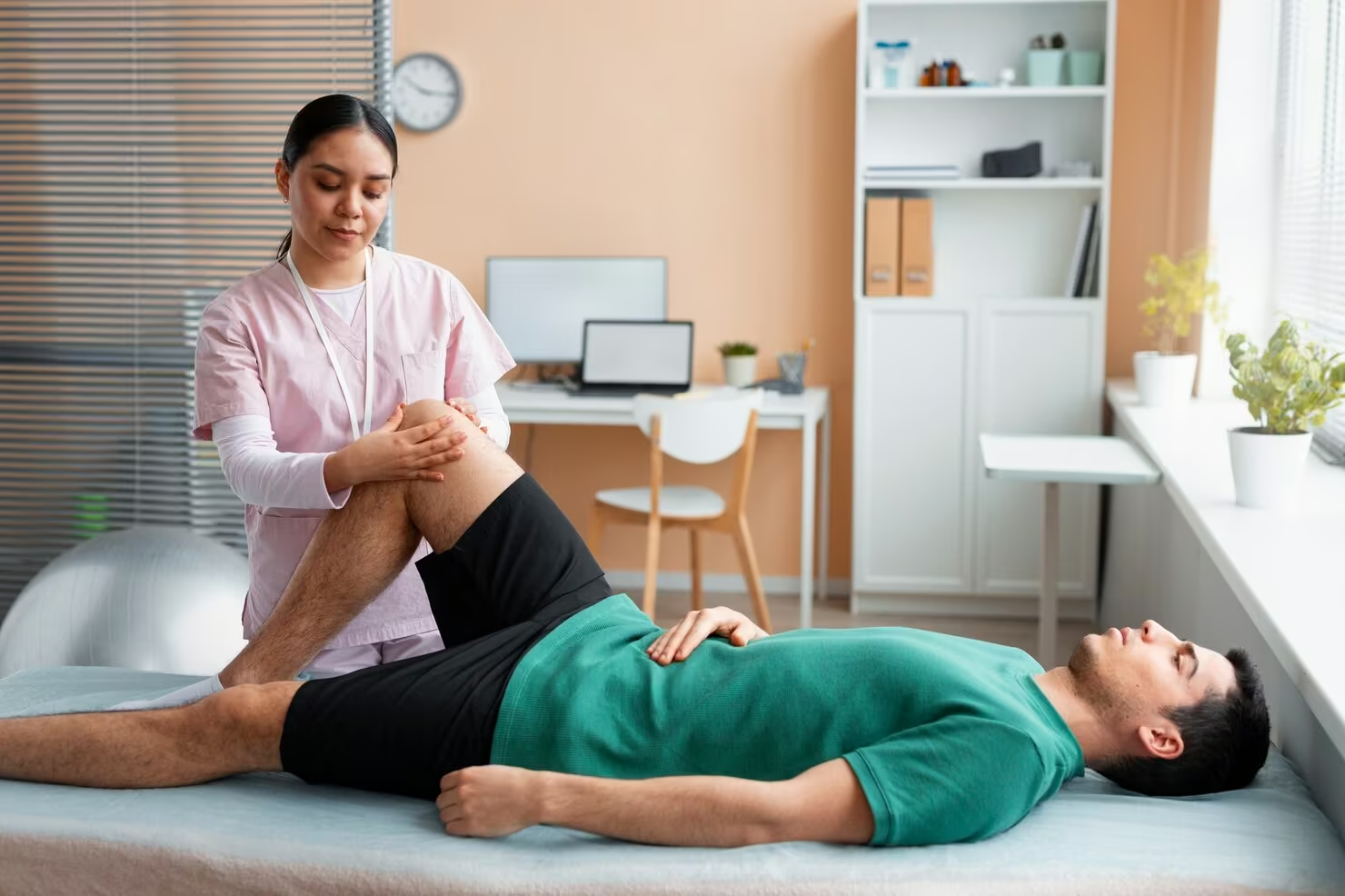
Knee pain is one of the most common musculoskeletal complaints, affecting people of all ages and activity levels. Whether it’s caused by a sports injury, arthritis, repetitive strain, or everyday wear and tear, knee pain can make simple activities like walking, climbing stairs, exercising, or even standing for extended periods uncomfortable.
The good news is that many cases of knee pain respond well to conservative treatment. Depending on the underlying cause, symptoms may improve with home care, physical therapy, medications, or other non-surgical treatments. Identifying what’s causing your pain is the first step toward choosing the most effective treatment plan.
What Causes Knee Pain?
Because the knee is one of the body’s largest and most frequently used joints, it is susceptible to a wide range of injuries and medical conditions. The best treatment depends on accurately identifying the underlying cause of your symptoms.
Some of the most common causes include:
1. Osteoarthritis
Osteoarthritis is one of the leading causes of chronic knee pain, particularly in older adults. Over time, the protective cartilage that cushions the joint gradually wears away, leading to pain, stiffness, swelling, and reduced mobility.
If you’re interested in learning more about treatment options for knee osteoarthritis, including hyaluronic acid injections, you can also read our guide on viscosupplementation for osteoarthritis.
2. Tendinitis
Tendinitis occurs when the tendons around the knee become irritated or inflamed due to repetitive movements or overuse. It commonly affects runners, cyclists, and athletes involved in jumping sports.
Symptoms often include:
- Pain during activity.
- Tenderness around the kneecap.
- Mild swelling.
- Discomfort after exercise.
3. Bursitis
Small fluid-filled sacs called bursae help reduce friction around the knee joint. When these sacs become inflamed, bursitis can cause localized pain, swelling, and tenderness.
4. Meniscus Tears
The meniscus acts as a shock absorber between the thighbone and shinbone. Sudden twisting movements or age-related degeneration can cause tears, leading to:
- Pain.
- Swelling.
- Locking or catching sensations.
- Difficulty bending the knee.
5. Ligament Injuries
Ligaments stabilize the knee joint. Injuries to structures such as the ACL, PCL, MCL, or LCL often occur during sports or traumatic accidents.
Symptoms may include:
- Sudden pain.
- Swelling.
- Instability.
- Difficulty bearing weight.
6. Patellofemoral Pain Syndrome
Sometimes called “runner’s knee,” this condition develops when pain occurs around or behind the kneecap. It often results from overuse, muscle imbalance, or abnormal tracking of the patella during movement.
Can Knee Pain Be Treated at Home?
Many cases of mild knee pain improve with conservative home care, especially when symptoms result from minor strains, overuse, or temporary inflammation.
However, self-treatment is most appropriate when pain is mild, improving over time, and not associated with significant swelling or instability.
- Rest and Activity Modification: Avoid activities that worsen your symptoms while continuing gentle movement as tolerated. Complete inactivity for prolonged periods may contribute to stiffness and muscle weakness.
- Ice Therapy: Applying ice for 15 to 20 minutes several times a day during the first 48 hours after an injury may help reduce pain and swelling.
- Compression: An elastic compression bandage or knee sleeve may provide support while helping minimize swelling.
- Elevation: Keeping the affected leg elevated above heart level when resting may help reduce swelling after an injury.
- Over-the-Counter Medications: Non-prescription anti-inflammatory medications or pain relievers may temporarily reduce discomfort. These medications should be used according to label instructions or as advised by a healthcare provider.
- Gentle Exercise: Once acute pain begins to improve, light stretching and strengthening exercises may help restore mobility and prevent stiffness.
Non-Surgical Knee Pain Treatment Options
Most people with knee pain improve without surgery. Healthcare providers often recommend a combination of treatments tailored to the individual’s diagnosis, activity level, and overall health.
1. Physical Therapy
Physical therapy is one of the most effective non-surgical treatments for many causes of knee pain.
A physical therapist may develop a customized rehabilitation program that focuses on:
- Improving flexibility.
- Strengthening the muscles surrounding the knee.
- Improving balance.
- Correcting movement patterns.
- Increasing joint stability.
Strengthening the quadriceps, hamstrings, gluteal muscles, and core can reduce stress on the knee joint and improve long-term function.
2. Weight Management
Even modest weight loss can significantly reduce stress on the knees. Research shows that every additional pound of body weight places several pounds of force across the knee joint during walking.
Maintaining a healthy weight may help reduce pain while slowing the progression of osteoarthritis.
3. Activity Modification
Changing certain daily activities may reduce unnecessary stress on painful knees.
Examples include:
- Switching to low-impact exercise.
- Reducing repetitive kneeling.
- Taking breaks during prolonged standing.
- Using supportive footwear.
- Avoiding activities that consistently trigger symptoms.
Small adjustments often make a meaningful difference in long-term joint comfort.
4. Knee Bracing
Depending on the cause of the pain, a knee brace may provide additional support and stability during movement.
Bracing may be recommended for:
- Mild ligament injuries.
- Osteoarthritis.
- Patellar instability.
- Certain overuse conditions.
The appropriate type of brace depends on the individual’s diagnosis and should be selected based on medical guidance.
5. Corticosteroid Injections
For some inflammatory conditions affecting the knee, corticosteroid injections may help reduce inflammation and provide temporary symptom relief.
Because repeated steroid injections may not be appropriate for every patient, healthcare providers carefully consider factors such as the underlying diagnosis, symptom severity, and overall treatment goals before recommending this option.
6. Viscosupplementation
For certain individuals with knee osteoarthritis, viscosupplementation injection may be considered as another non-surgical treatment option.
These injections contain hyaluronic acid, a substance naturally found in joint fluid that helps lubricate and cushion the knee. While they do not reverse arthritis, they may improve comfort and mobility for appropriately selected patients.
When Might Surgery Be Considered?
The majority of knee pain cases can be managed successfully with conservative treatments such as physical therapy, lifestyle modifications, medications, or injections. However, surgery may be considered when these approaches no longer provide adequate relief or when there is significant structural damage to the knee.
Depending on the underlying condition, surgical treatment may be recommended for:
- Severe osteoarthritis that significantly limits daily activities.
- Complete ligament tears causing persistent instability.
- Complex meniscus tears that cannot heal with conservative care.
- Advanced cartilage damage.
- Fractures involving the knee joint.
- Chronic pain that does not improve after several months of appropriate non-surgical treatment.
The type of surgery varies based on the diagnosis and may range from minimally invasive arthroscopy to partial or total knee replacement. A healthcare provider will consider your symptoms, imaging results, activity level, and overall health before recommending surgery.
For many people, surgery is viewed as a later option after less invasive treatments have been explored.
When Should You See a Healthcare Provider?
While mild knee pain often improves with home care, certain symptoms warrant a professional evaluation.
Schedule an appointment if:
- Knee pain lasts longer than one to two weeks.
- Symptoms continue to worsen instead of improving.
- Pain interferes with work, sleep, or daily activities.
- Swelling keeps returning.
- You have difficulty fully bending or straightening the knee.
- Walking becomes increasingly painful.
Seek Immediate Medical Attention If You Experience:
- A significant injury from a fall or accident.
- Inability to bear weight on the affected leg.
- Severe swelling that develops quickly.
- A visibly deformed knee.
- Fever with knee redness and swelling.
- Sudden numbness or weakness.
- Loss of sensation below the knee.
Prompt evaluation can help identify serious injuries or medical conditions before they become more difficult to treat.
Preventing Future Knee Pain
Not every cause of knee pain can be prevented, but healthy habits can reduce unnecessary stress on the joint and lower the risk of future problems.
- Stay Physically Active.
- Strengthen Supporting Muscles.
- Maintain a Healthy Weight.
- Wear Supportive Footwear.
- Warm Up Before Physical Activity.
- Listen to Your Body.
Final Thoughts
Knee pain can result from many different conditions, including overuse injuries, arthritis, ligament damage, tendon disorders, and cartilage problems. Because there is no single cause, there is also no one-size-fits-all treatment.
Fortunately, many people find relief through conservative approaches such as home care, physical therapy, activity modification, weight management, medications, and non-surgical injections. Understanding the underlying cause of your symptoms is essential for choosing the most effective treatment strategy.
If knee pain persists, worsens, or begins limiting your daily activities, seeking a professional evaluation can help identify the source of the problem and guide an individualized treatment plan. Early intervention often improves outcomes and may help prevent minor issues from progressing into more serious joint conditions.
This article is for educational purposes only and is not a substitute for professional medical advice. Consult your healthcare provider for personalized evaluation.
Frequently Asked Questions
What is the best treatment for knee pain?
The best treatment depends on the underlying cause. Mild injuries may improve with rest, ice, and activity modification, while conditions such as osteoarthritis, tendon injuries, or ligament damage may benefit from physical therapy, injections, or other medical treatments.
Can knee pain go away without surgery?
Yes. Most cases of knee pain improve with conservative treatments, including exercise, physical therapy, medications, weight management, and other non-surgical approaches. Surgery is generally reserved for more severe injuries or advanced joint damage.
Is walking good for knee pain?
In many cases, gentle walking is beneficial because it helps maintain joint mobility and muscle strength. However, if walking significantly increases pain or follows a serious injury, a healthcare provider should evaluate your symptoms.
Are injections effective for knee pain?
Certain injections, including corticosteroid injections and viscosupplementation, may help relieve symptoms for appropriately selected patients. The most suitable option depends on the underlying diagnosis and individual treatment goals.
How long does knee pain usually last?
Recovery varies widely. Minor strains may improve within days or weeks, while chronic conditions such as osteoarthritis may require ongoing management to control symptoms and maintain function.
Can exercise make knee pain worse?
The right type of exercise is generally beneficial, but high-impact or repetitive activities may worsen certain conditions. A healthcare provider or physical therapist can recommend exercises that are appropriate for your diagnosis.