

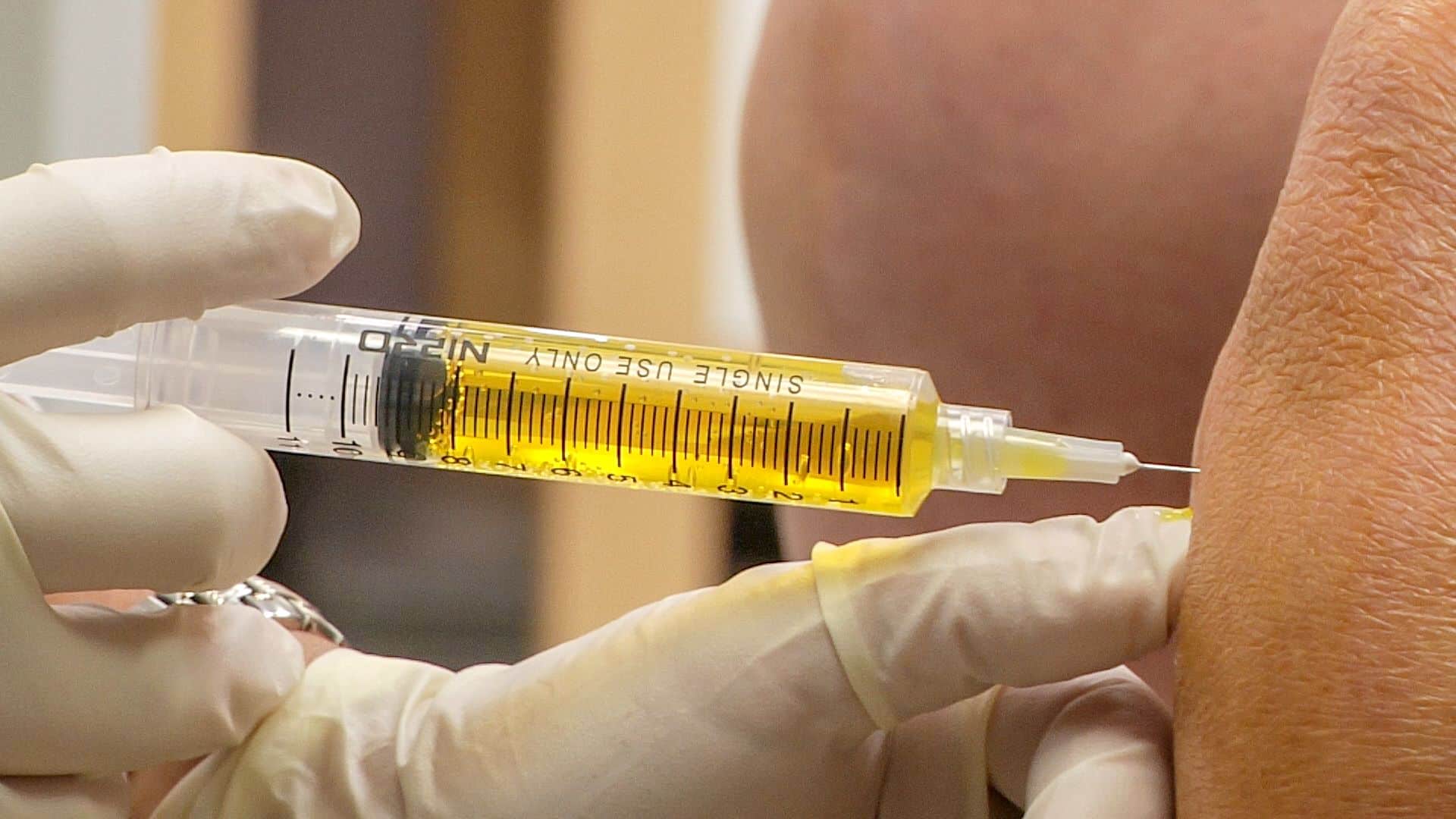
Knee pain affects millions of adults and can arise from a variety of causes, including osteoarthritis, injury, overuse, and wear-and-tear of joint tissues. When conservative measures such as physical therapy, lifestyle modification, and pain medication provide limited relief, providers may consider injectable options to improve mobility and decrease discomfort.
One commonly recommended approach for knee pain due to joint degeneration is gel injection, also known as viscosupplementation. This treatment involves injecting a gel-like substance into the knee joint to supplement the natural lubrication that may be reduced in conditions like osteoarthritis. Understanding how gel knee injections work, who may benefit, and what to expect can help patients make informed decisions about their care.
What are Gel Injections for Knee Pain?
Gel injections refer to the administration of a viscous substance (often hyaluronic acid or a similar compound) directly into the knee joint. In a healthy joint, synovial fluid acts as a cushion and lubricant, helping bones glide smoothly during movement. In conditions like osteoarthritis, the quality and quantity of this fluid can diminish, leading to increased friction, stiffness, and pain.
Viscosupplementation aims to restore that lubrication, improve shock absorption, and support more comfortable motion.
The exact composition of knee gel injections varies, but many formulations contain hyaluronic acid, a naturally occurring component of joint fluid that helps maintain joint health.
What Does Science Say About Knee Gel Injections for Pain?
Several clinical studies have investigated the effectiveness of HA injections in treating knee pain due to injury, age, knee osteoarthritis, or other factors.
Here are a few indications found in these studies:
HA Injections Offer Pain Relief, But Results May Not Be Immediate
As per a study, gel injections for knee pain offer relief, but results may vary from patient to patient. Several patients that took HA injections reported some relief from pain after taking the initial injection or around the fourth week.
There are several factors that impact the efficacy of gel injections and the time it takes to curtail pain. These factors include age, the severity of the condition, and the quality of the gel injected into one’s knee.
At Oak Brook Medical Group, we use top-quality gel injection brands that are effective for pain relief in the knee. Contact us online or call us at 630-934-1514 to schedule an appointment. Our knee pain experts will tell you more about the gel injection treatment and physical therapy we offer.
Duration of Pain Relief Varies
The duration of the pain relief may vary depending on multiple factors. Some real-life studies also showed an improvement in pain or function lasting up to 40 months.
Reduced Risk of TKR (Total Knee Replacement)
A real-life study suggested that taking gel injections for knee pain can delay the need for total knee replacement for up to 24 months. Hyaluronic acid injections are not an alternative for TKR, but taking these injections from qualified healthcare professionals can delay it.
Repeated Courses Can Be More Effective
Multiple shots of these gel injections can provide lasting relief from knee pain, and the results may be better compared to a single injection.
Depending on your case, you should talk to your doctor about the prescription for gel injections. Sometimes, a single injection is enough for lasting relief if the cause of knee pain is in its initial stages.
How do Knee Gel Injections Work?
When a provider injects viscosupplementation into the knee, the goal is to:
- Supplement diminished synovial fluid.
- Reduce friction in the joint.
- Improve shock absorption during movement.
- Aid in smooth motion of the femur and tibia.
Over time, the added lubrication may reduce joint irritation and discomfort associated with osteoarthritis. The procedure itself is typically done in an outpatient setting and may be administered with local anesthesia or ultrasound guidance, depending on clinician preference.
Who is a Candidate for Knee Gel Injections?
Gel injections are most often considered for individuals with mild to moderate osteoarthritis of the knee who:
- Have persistent knee pain despite lifestyle changes or conservative care.
- Experience stiffness that limits daily activities.
- Are seeking pain relief but are not yet candidates for surgical interventions.
- Prefer non-surgical options before considering joint replacement.
It’s important to note that not everyone will respond the same way to this treatment. A clinician evaluates factors like severity of joint degeneration, overall health, activity level, and symptom pattern before recommending viscosupplementation.
Benefits and Expectations
1. Potential Benefits of Gel Knee Injections
Many individuals experience:
- Reduced knee pain.
- Improved comfort during activity.
- Enhanced joint mobility.
- Delayed progression of symptoms in some cases.
The benefits of viscosupplementation often develop gradually, several days to a few weeks after treatment, and may last for several months.
2. What to Expect During and After Treatment
Gel knee injection is typically a straightforward procedure:
- Preparation: The area is cleaned, and local anesthetic may be applied.
- Injection: The gel is injected into the knee joint space.
- 3. Post-Injection Care: Patients may be advised to avoid strenuous activity for a short period. Mild swelling or soreness at the injection site can occur but usually resolves quickly.
Follow-up appointments may be scheduled to assess response and determine if additional injections are recommended.
How Gel Injections Compare to Other Treatments
Viscosupplementation is often part of a broader knee pain management strategy. Other non-surgical options include:
- Physical therapy to improve strength and range of motion.
- Anti-inflammatory medications for symptom control.
- Chiropractic care or manual therapies to support joint alignment.
- Acupuncture for pain modulation.
- Platelet-rich plasma (PRP) injections in select cases.
Each approach has a different mechanism of action. Gel injections specifically aim to improve joint lubrication, while other therapies may focus on muscle balance, inflammation reduction, or pain modulation.
Are Gel Injections a Permanent Solution?
Gel knee injections are not a cure for the underlying joint condition. Instead, they offer symptomatic relief for many patients. The duration of benefit varies by individual, and repeat injections may be recommended depending on clinical response and individual goals.
Long-term strategies often include activity modification, strengthening exercises, weight management, and ongoing monitoring by a healthcare provider.
Potential Risks and Considerations
As with any medical procedure, there are potential risks associated with knee injections. These are generally uncommon but may include:
- Temporary swelling or pain at the injection site.
- Mild irritation or inflammation.
- Rare risk of infection.
- Allergic reaction to injection components.
Discussing medical history, medications, and prior treatments with a clinician helps minimize risks and identify the best approach.
Final Thoughts
Gel injection for knee pain, or viscosupplementation, is an option many individuals consider when conservative treatments alone do not fully address discomfort. By supplementing joint lubrication, this approach can help improve comfort during daily activities and support improved mobility.
Like all medical interventions, outcomes vary, and discussing expectations with a trained clinician can ensure that treatment aligns with your specific condition and goals.
This article is for educational purposes only and is not a substitute for professional medical advice. Consult your healthcare provider for personalized evaluation.
FAQs
How long do gel knee injections last?
Relief from viscosupplementation may last several months but varies by individual and severity of joint degeneration.
Are gel injections painful?
Most patients tolerate the procedure well, and local anesthesia is often used. Mild soreness afterward is common.
Can I walk after a knee gel injection?
Yes. Most people can walk normally after treatment, though strenuous activity is typically limited for a short period.
Do gel injections replace knee surgery?
Viscosupplementation is not a substitute for surgery but may delay the need for surgical intervention in some individuals.
Can gel injections be used for arthritis in other joints?
While commonly used for the knee, similar injectable approaches may be considered for other joints depending on clinical evaluation.